


Deviated nose correction is a surgical procedure that straightens a nose that is tilted or curved to either side and forms a straight, well-defined nasal bridge.
By correcting the underlying structural deviation of the nasal bones and septal cartilage, this procedure helps bring the nose into line with the midline of the face.
A major characteristic of this procedure is that it can simultaneously resolve not only aesthetic appearance but also functional concerns, such as nasal congestion associated with a curved septum (nasal septum deviation).
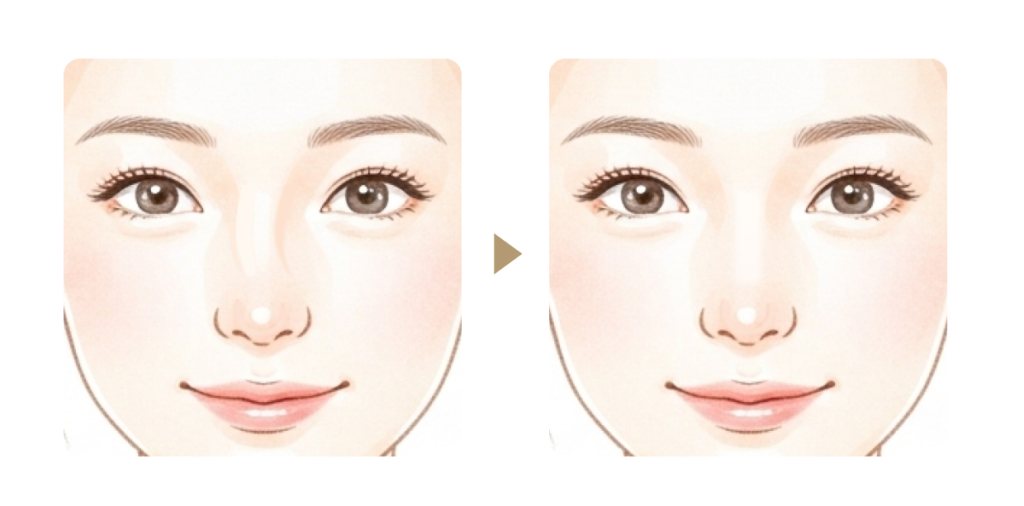
Recommended for those with these concerns:
- Nasal deviation
- Nasal bridge deviation
- Nasal deformity
- Deviated nose
- Nasal septum deviation
- Concerned about nasal airflow
If a straight implant is placed on a crooked framework to disguise the deviation, the implant will follow the underlying deviation and look crooked, or may shift, so this approach should be avoided.
In most cases with a deviated nose, both the bone and cartilage are crooked, so deviated nose correction must correct the deviation of both the bone and cartilage structures.
• For the bone, a nasal bone osteotomy is performed to correct the bone deviation.
• For the cartilage, to address deviation of the septal cartilage, we may resect the crooked part or graft costal cartilage next to the septal cartilage like a splint to correct the deviation.
“Preservation” means “conserving structures.” True to its name, it can change the shape while preserving the structures. It has the following advantages:
• The dissection area is small, resulting in less postoperative swelling.
• Nasal function is less likely to be impaired.
• Skin contraction and visible irregularities (steps) in the bridge line are less likely.
In the case of the preservation method for deviated nose correction, when the nose is likened to a mountain, the bones and cartilage are cut at the foot of the tilted mountain to correct the tilt of the whole mountain. Although this procedure was originally developed in Western countries, it has recently been adopted in the field of deviated nose correction, particularly in Asia.
Procedure Details
There are individual differences in nasal deviation, and there are cases of “bony deviated nose” where the bone is distorted, “cartilaginous deviated nose” where the cartilage is deformed, or both. The nasal cavity mucosa and the skin of the columella are incised, and the distortion of the nasal bridge is corrected while visualizing it using the open approach.

Recovery and Aftercare
Swelling and Bruising
Swelling and bruising are most noticeable for the first 1–2 weeks after surgery. The nose continues to settle for about 3 months, after which the final shape is visible.
Daily Life
Please sleep on your back so that no strong external force is applied to the nose.
Please also avoid touching or wetting the surgical site for the first week, or until your doctor tells you it is safe to do so.
Risks and Side Effects
Risks and side effects include swelling, bruising, pain, edema, redness, scarring, and infection.
Price
Frequently Asked Questions
Q. My nose has been crooked since I injured it when I was a child. Can it be corrected?
Q. My face is naturally asymmetrical overall, but would it look strange to only fix my nose?
Q. What is the difference between this procedure and deviated nose correction covered by Japanese National Health Insurance?
• When there is functional impairment, such as nasal congestion, caused by a deviated septum
• For a deviated nose after a nasal bone fracture
Insurance-covered treatment is limited to correcting the deviation itself; aesthetic requests such as raising the bridge cannot be included. Our clinic provides self-pay treatment only, which allows us to combine the correction with other procedures to bring you closer to your ideal nose.